
RESOURCES FOR PRACTICE
(Re)Designing for Adolescent Thriving
Using developmental science to reimagine secondary schools and systems in California
This report sets out what developmental science now says about adolescence, what it implies for the design of classrooms and systems, and what it takes for that design to endure.
The aim: We hope for young people who know who they are, what they value, and how they want to show up in their relationships, their communities, and their futures.
Who This Report Is For

Educators in middle and high school classrooms, and the coaches and instructional leaders who support them, will find the science behind practices many of them already use, along with concrete moves for going further.
Leaders of California’s secondary redesign initiatives, in districts, county offices, and the intermediary organizations that carry this work across sites, will find an account of why these efforts succeed when they succeed, and what makes the difference between an initiative that takes root and one that fades.
School leaders and policymakers shape the conditions that make any of this possible, and the report closes by speaking to each of them directly.
Three bodies of evidence:
USC CANDLE’s longitudinal neuroscience research
Research on adolescent development that followed a cohort of Los Angeles teenagers into their early twenties, combining brain imaging, interviews, and follow-up over several years.
Two decades of work at ASU’s Center for Whole-Child Education
Work translating developmental science into design principles for schools and systems.
Perspectives from students, educators, and California secondary redesign leaders
Conversations with students, classroom teachers and instructional coaches, and leaders of California’s major secondary redesign efforts.
“Understanding adolescent development is not an enrichment for leaders who have time for it. It is what allows good work to be protected under pressure, adapted without being gutted, and handed to whoever comes next.”
What’s Inside the Report
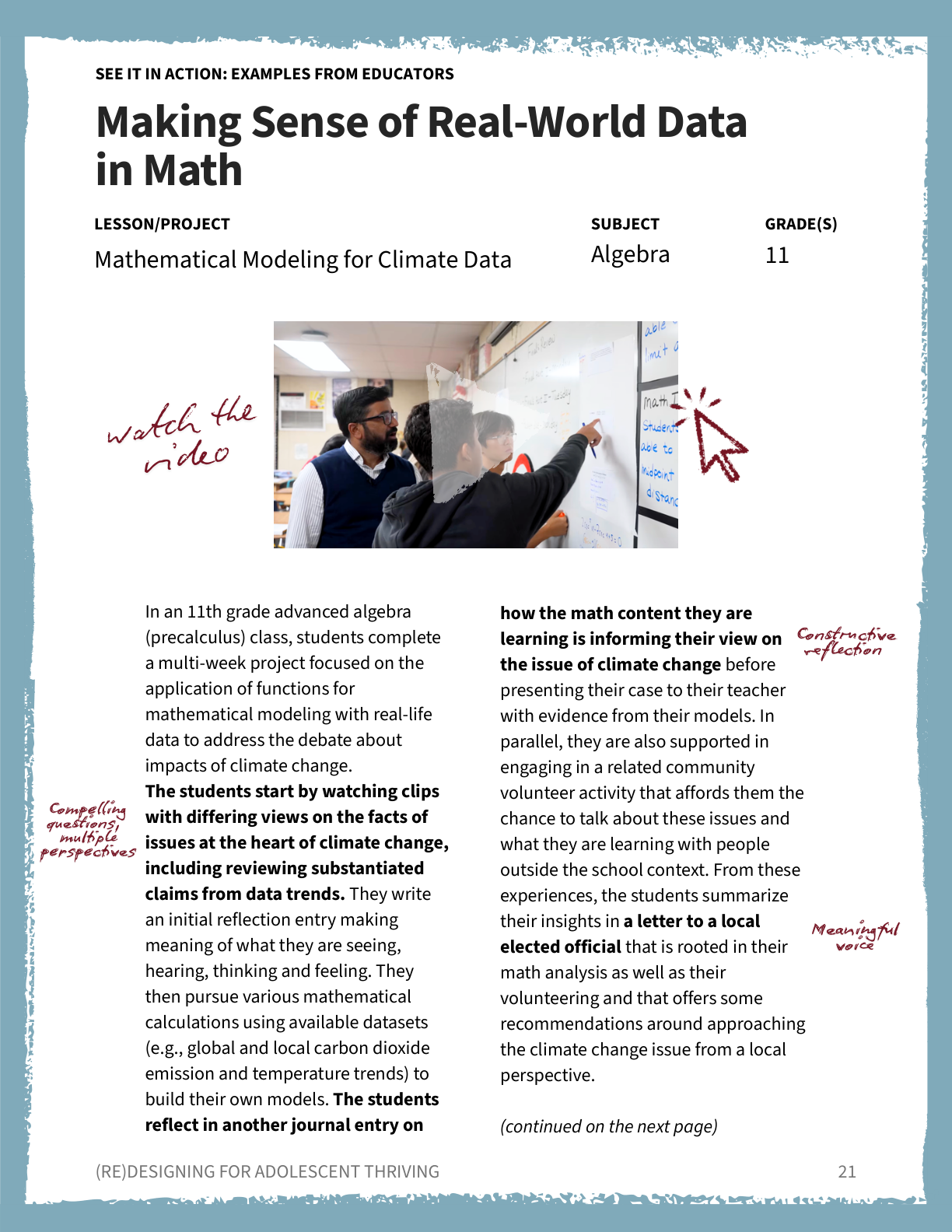
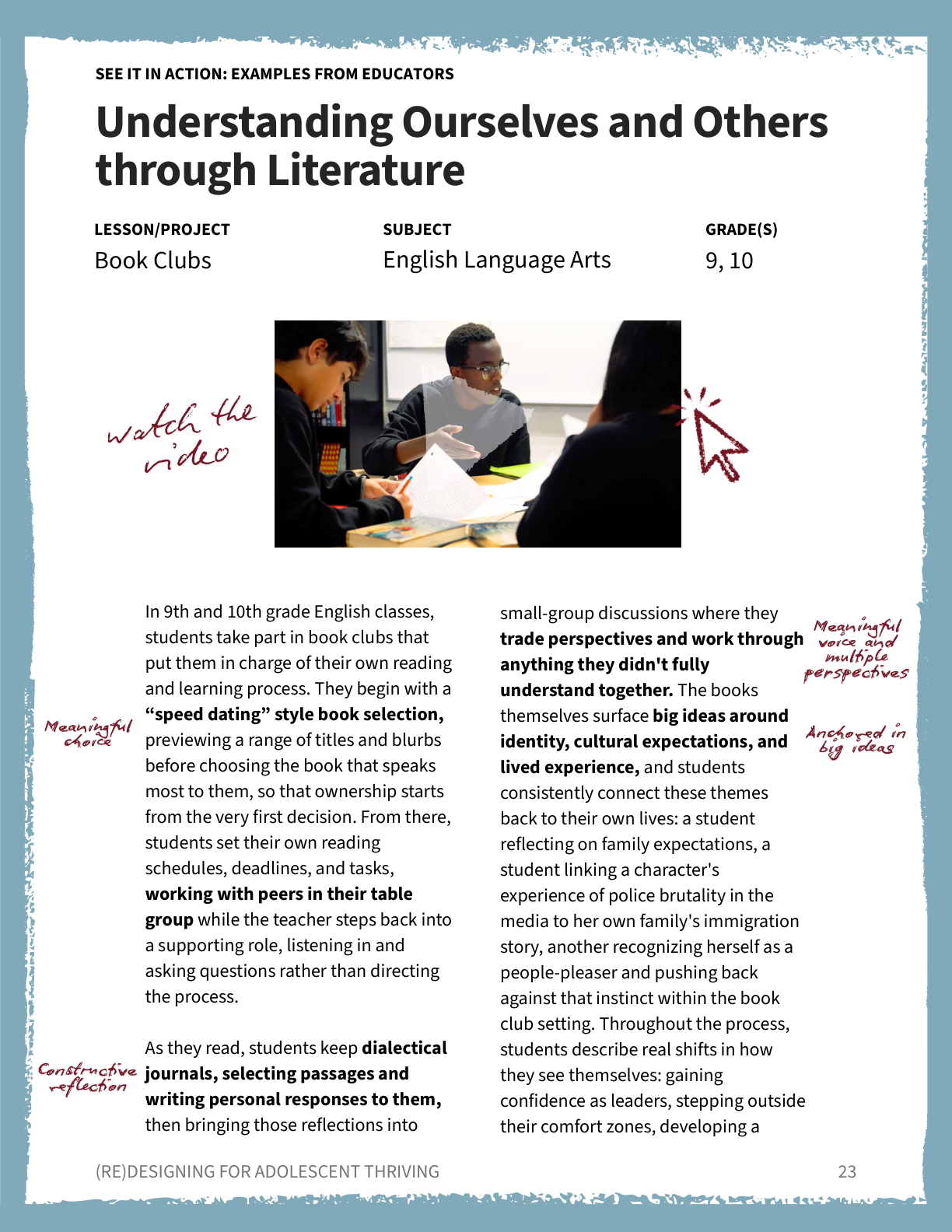
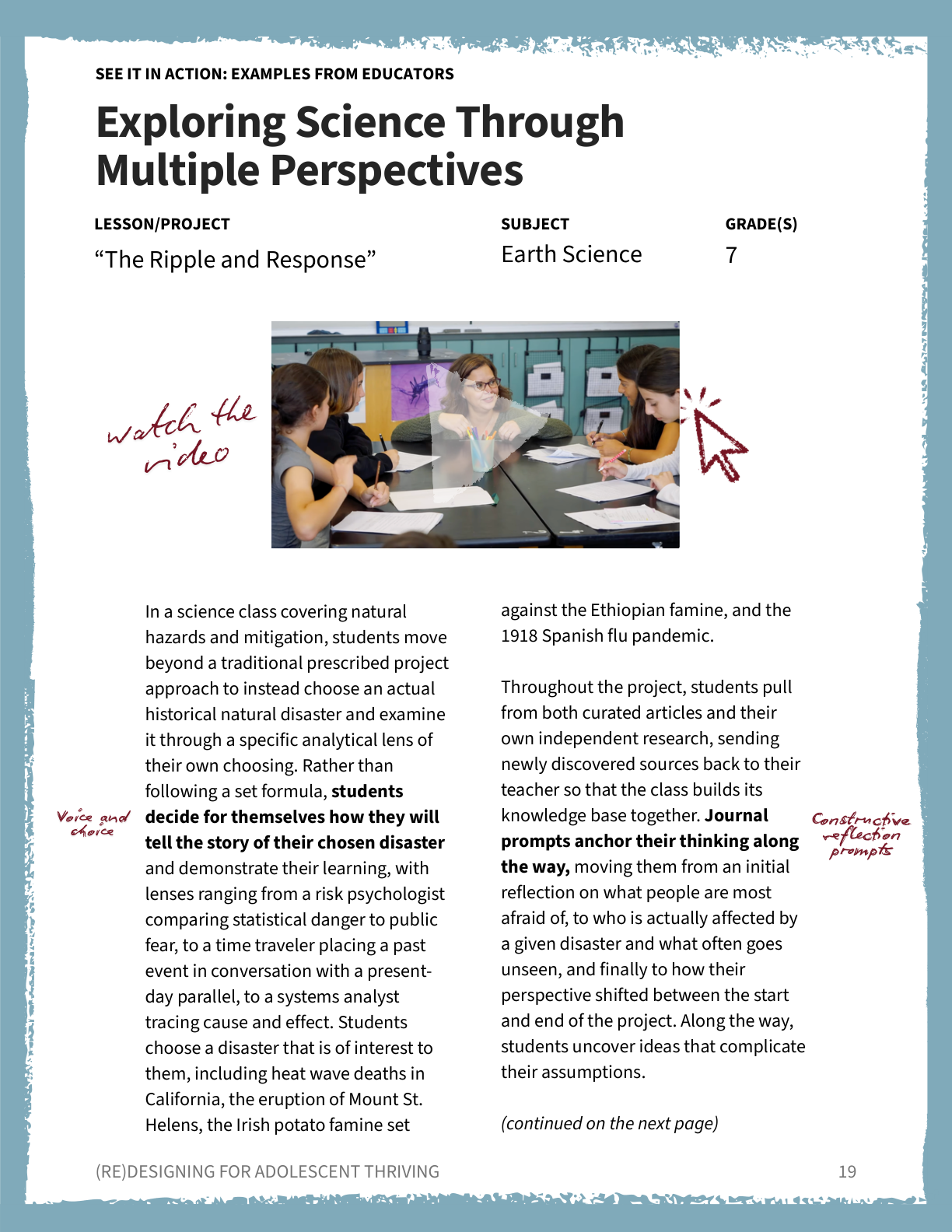
“Meaning is not the reward for fluency; it is often what makes fluency worth acquiring.”
This work has been made possible through the generous support of the Stuart Foundation.
Professional Learning
USC CANDLE offers standalone and ongoing science-informed professional learning to help educators and leaders create opportunities for transcendent thinking in their work.
For more information or to get started, contact Gretchen Livesey at Livesey@usc.edu.